 5 hours ago
2
5 hours ago
2
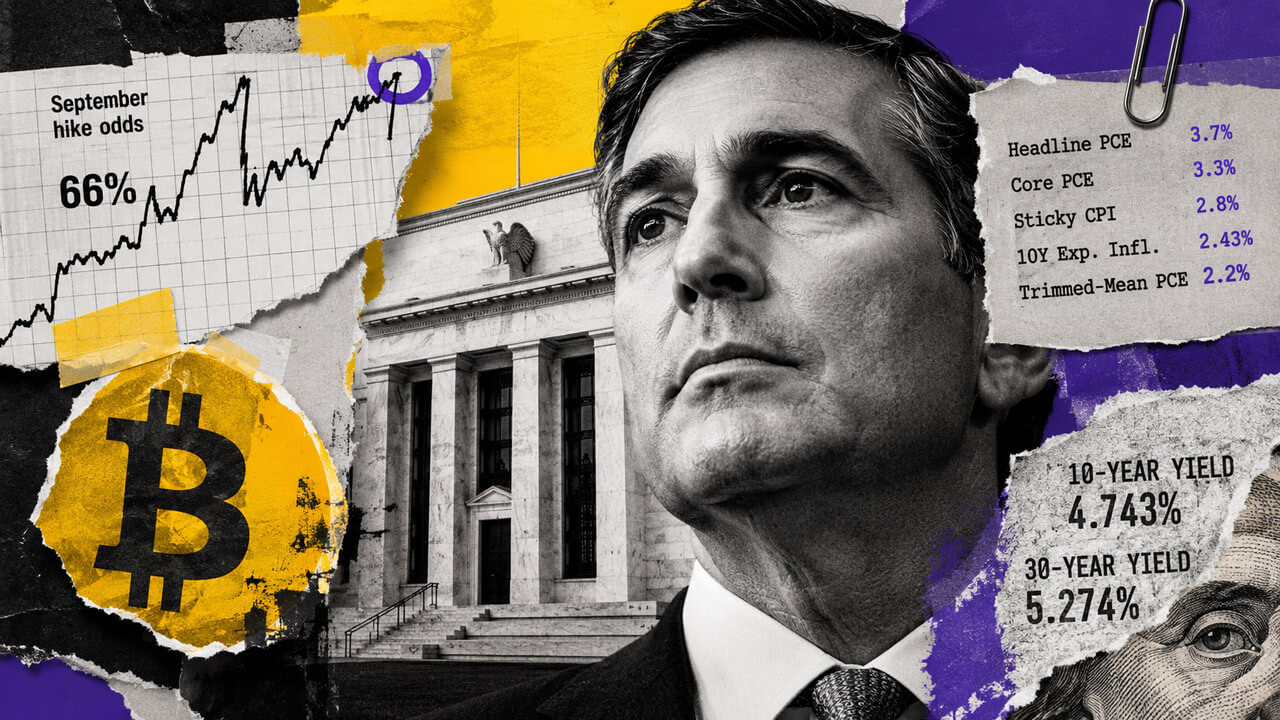
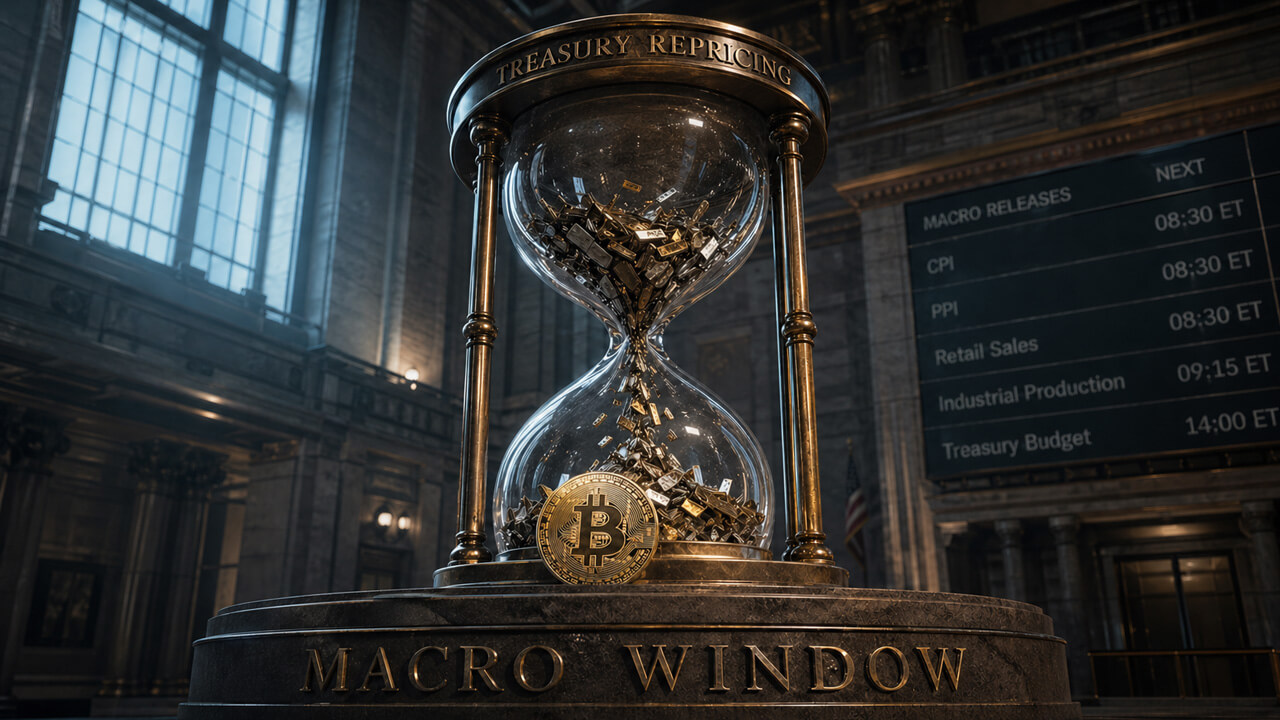
The US government sold $44 billion of seven-year debt on July 28, and buyers accepted it at a yield of 4.473%. That was 21.3 basis points above the 4.260% yield awarded at June’s Treasury auction.
Investors could lend money to Washington for seven years, collect regular interest, and lock in a return approaching 4.5% before the Federal Reserve announced its next rate decision.
Bitcoin offered no comparable promise. It pays no contractual interest, can lose several percentage points in a day, and requires investors to believe future appreciation will justify the added volatility.
The Treasury auction therefore raised Bitcoin’s hurdle before Fed officials voted. Leaving rates unchanged could prevent an immediate shock, but BTC needed the central bank to make lower future yields believable.
The Treasury auction wasn’t a buyer strike
The Treasury borrows by selling bills, notes, and bonds at auction. Investors submit bids stating how much debt they want and the minimum return they will accept, and the government awards the securities at the yield required to sell the full offering.
A higher clearing yield means buyers demanded more compensation. Inflation risk, expectations for Fed policy, heavy government borrowing, and attractive returns elsewhere can all push that number higher. It doesn’t necessarily mean investors refused to buy.
The July auction attracted $2.49 in bids for every dollar offered, which is a 2.49 bid-to-cover ratio. June’s ratio was 2.50, while the average across the previous several auctions was roughly 2.48.
Demand was close to normal, but that normal demand came at a substantially higher yield. The auction wasn't a rejection of US debt but a repricing of what investors required to hold it.
That separates the result from the weaker two-year sale CryptoSlate examined in March, when falling demand raised a warning for Bitcoin. July’s buyers were willing to finance the government, provided the government paid enough.
The auction’s “high yield” also doesn’t describe unusually strong demand. It's simply the yield accepted by the final successful bidders, a basic concept disguised by terminology that sounds as though the bond won an award.
Bitcoin had to beat 4.473%
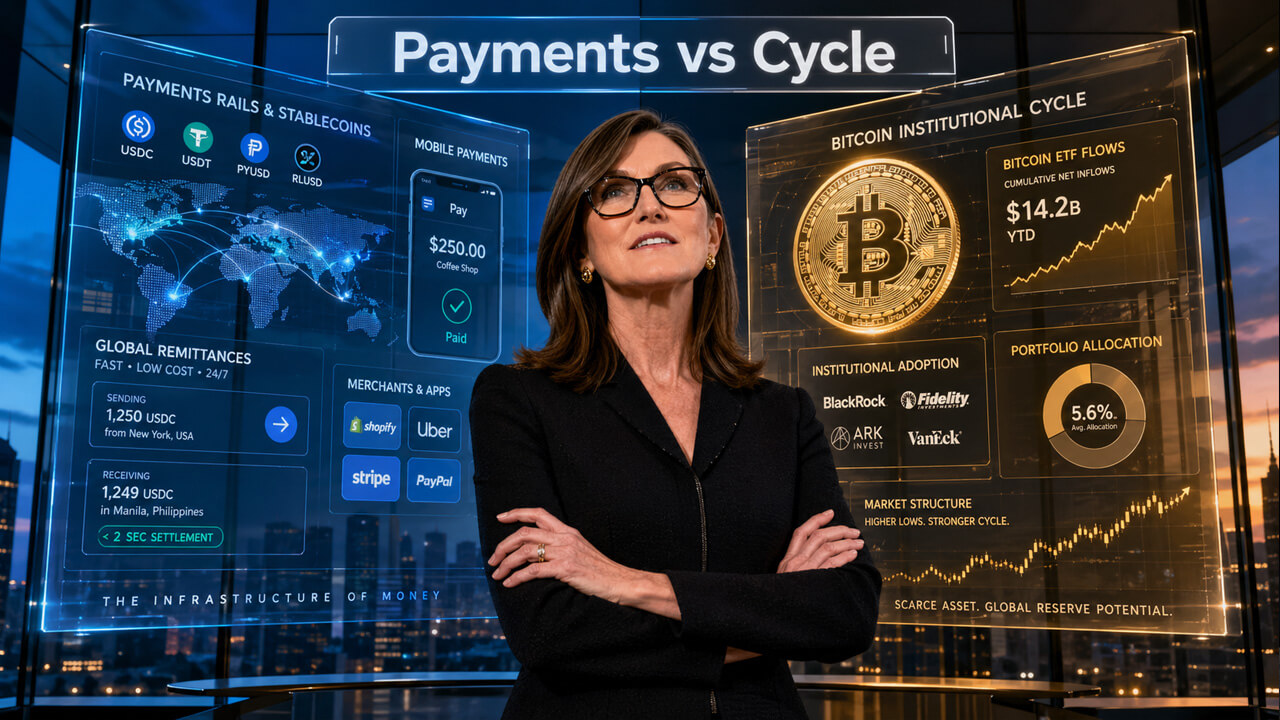
An investor allocating new capital faced a direct comparison. Seven-year Treasuries offered a government-backed income stream and repayment at maturity, while Bitcoin offered potentially larger gains with no guaranteed return.
Higher Treasury yields don’t automatically push Bitcoin lower, but they raise the return BTC must offer before investors accept its additional risk.
A pension fund, insurer, family office, or asset manager can earn 4.473% without predicting the next crypto cycle. Choosing Bitcoin instead introduces price volatility, custody requirements, uncertain returns, and the possibility that the asset falls when the portfolio needs cash.
Higher yields also make borrowing more expensive. Leveraged traders face higher funding costs, companies pay more to raise capital, and portfolio managers become less willing to own assets whose returns depend almost entirely on future price gains.
CryptoSlate described the same conflict when Bitcoin’s hard-money thesis collided with 5% long-term Treasury yields. Concern about government debt can strengthen Bitcoin’s long-term appeal even as the yield paid by that debt weakens the immediate case for buying it.
Those two conclusions can coexist. Bitcoin may look attractive as protection against long-term monetary deterioration while appearing expensive beside a bond paying nearly 4.5% today.
The auction didn’t instruct the Fed or predict its vote, but it showed the return investors already required to hold medium-term government debt.
A routine hold paired with tough inflation language was unlikely to produce much relief for Bitcoin. The market needed Fed Chair Kevin Warsh and the committee to offer a credible path toward lower rates, weaker inflation, or both.
Bitcoin traders had already entered the meeting with less protection against a decline. CryptoSlate reported that they had reduced downside hedges before an unusually uncertain Fed decision.
The Fed ultimately held its target range at 3.5% to 3.75% on July 29. The decision passed by a 9–3 vote, with Beth Hammack, Neel Kashkari, and Lorie Logan preferring a quarter-point increase.
Three officials voting for a hike showed that tighter policy remained a live possibility. Inflation was still above the Fed’s 2% goal, while economic activity continued to expand at what officials called a solid pace.
Avoiding a hike removed the harshest immediate outcome for crypto, but the divided vote gave Treasury buyers little reason to accept dramatically lower yields.
The scoreboard remained difficult for Bitcoin
The Treasury’s official yield curve showed the two-year yield at 4.23% on July 30. The seven-year yield had moved to 4.52%, while the ten-year reached 4.68%.
Government debt therefore continued to offer substantial returns after the Fed meeting. Bitcoin traded near $63,900 on July 31, showing little evidence that the decision had transformed its rate environment.
Investors should now watch three variables: Treasury yields, the dollar, and BTC itself. A sustained Bitcoin advance while yields remain elevated would suggest that ETF inflows, spot demand, currency concerns, or crypto-specific buying are overpowering the disadvantage created by bonds.
Continued weakness would fit the pattern CryptoSlate identified when resilient employment repeatedly reduced expectations for rate cuts.
The Fed controls its overnight target, but investors determine much of the return available across longer-term government debt. By accepting seven-year Treasuries at 4.473%, buyers established that benchmark before officials spoke.
Bitcoin didn’t need the Fed to avoid a hike; it needed the central bank to make a lower-yield future convincing, and the bond market’s response showed that investors weren’t convinced.