 6 hours ago
4
6 hours ago
4
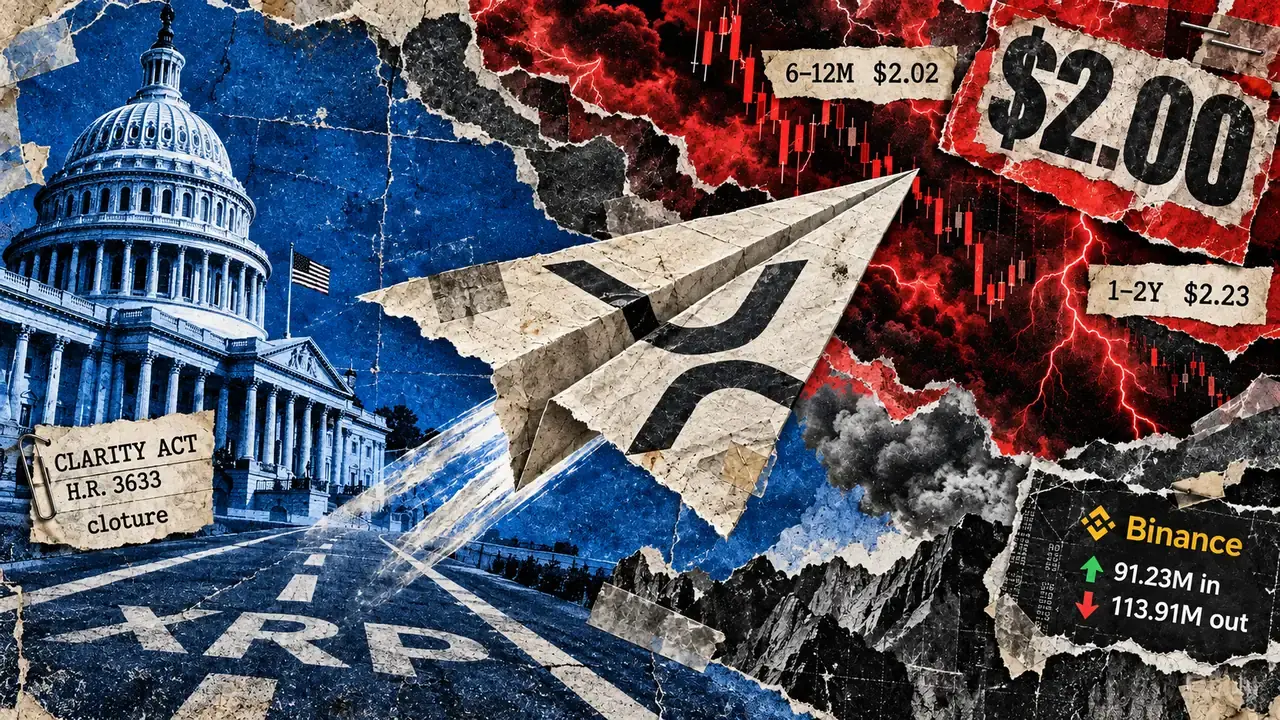
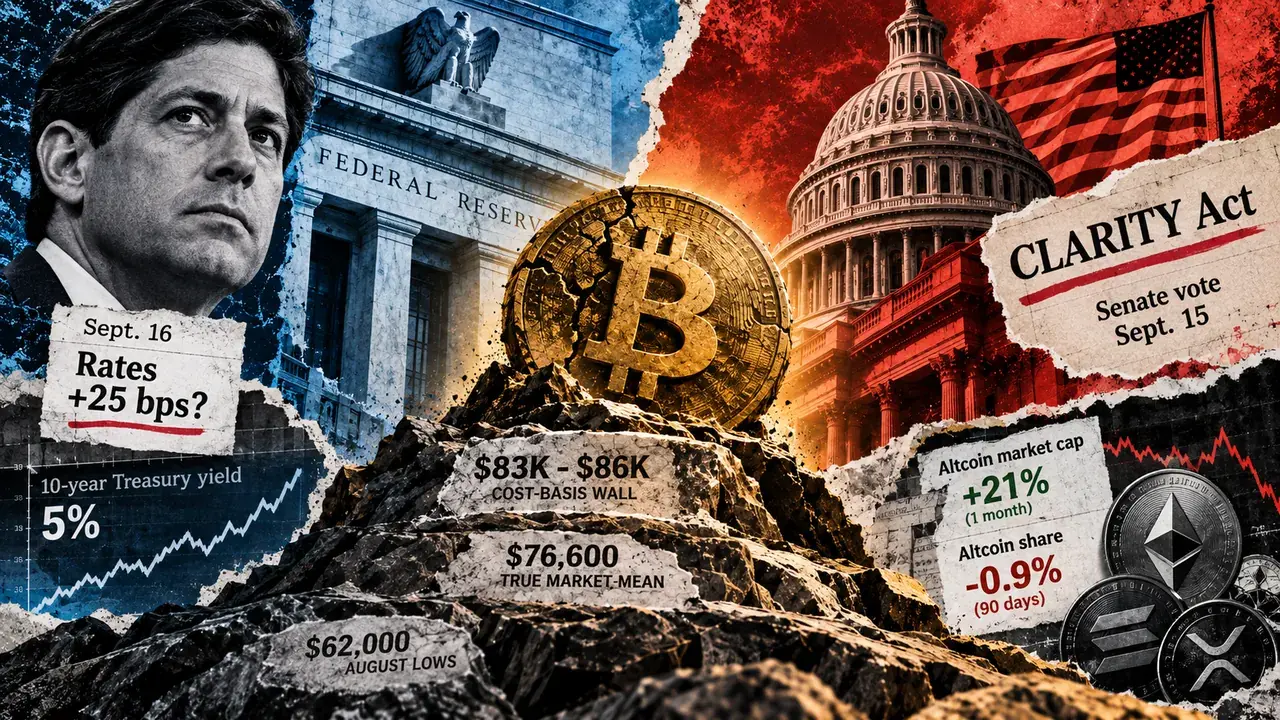
The CLARITY Act is heading toward a critical Senate vote with no clear coalition capable of delivering the 60 votes it needs.
Expectations for the landmark crypto market-structure bill deteriorated sharply Tuesday, with Polymarket odds of enactment falling below 20% after reaching about 34% during the previous 24 hours.
The reversal coincided with signs that Republican leaders are struggling to hold their own conference while Democrats demand additional concessions before supporting the legislation.
CLARITY Act faces hurdles
The Senate is expected to vote Tuesday afternoon on whether to proceed with the bill. Clearing that hurdle requires 60 votes, meaning Republicans cannot advance it alone even if all 53 GOP senators support the measure.
However, that assumption increasingly looks difficult as Sens. Susan Collins and John Cornyn are among Republicans who have yet to commit to the legislation.
According to reports, Collins has raised concerns about whether the bill could accelerate deposit flight from community banks, one of the financial industry's central objections to allowing crypto firms to compete more aggressively for customer balances.
Meanwhile, Sen. John Curtis plans to support opening debate but has drawn a distinction between allowing the process to continue and backing the legislation itself. He has said the current text would not win his vote on final passage.
The uncertainty has prompted the White House to intensify its outreach to Republican senators, according to Semafor, as administration officials try to prevent banking-industry opposition from peeling away votes the legislation can scarcely afford to lose.
The arithmetic leaves Republican negotiators trying to protect their right flank while finding enough Democrats to cross the 60-vote line.
That second challenge also became harder Monday night.
Senate Democrats agreed after a private meeting to send Republicans their own counterproposal. Democrats have since delivered the document to GOP negotiators, though they have not yet publicly disclosed its provisions.
Sen. Mark Warner said Democrats who had participated in the negotiations were making another offer after concluding that the latest Republican package still fell short. Ethics restrictions remain a central concern.
Republicans had spent the weekend trying to close that gap with what aides described as their final legislative offer, including tougher rules governing financial conflicts involving senior government officials. Those changes were meant in part to address Democratic concerns about President Donald Trump's crypto interests.
In response to this, Sen. Cynthia Lummis said:
“It's becoming clear that some Democrats simply won't get to yes, no matter what we put in the text. President Trump has now agreed to two historic ethics provisions — provisions these very members demanded. We've given you everything you’ve asked for, yet you keep holding the bill hostage, demanding more and more and more. It's beyond frustrating. There's nothing left to give.”
Crypto executives make closing argument as coalition frays
The crypto industry is now trying to convince wavering senators that Democrats have already secured substantial concessions.
Coinbase Chief Policy Officer Faryar Shirzad said the CLARITY Act addresses all seven principles Democratic senators outlined a year ago for acceptable crypto market-structure legislation, including regulatory jurisdiction, issuer oversight, illicit finance, conflicts of interest and consumer protection.
He said negotiators also incorporated 126 additional substantive changes requested by Democrats, portraying the current bill as the result of more than a year of bipartisan bargaining rather than a Republican proposal Democrats are being asked to accept unchanged.
“Democratic negotiators played a major role in getting it here,” Shirzad said. “They should vote for it.”
Ripple Chief Executive Brad Garlinghouse made a similar appeal, arguing that lawmakers had already made meaningful compromises on difficult provisions.
“Perfect can't be the enemy of good,” he said, urging senators to vote yes.
Those interventions reflect what's at stake in Tuesday's procedural vote. The crypto industry has spent years pushing Congress to replace the US regulatory patchwork with legislation that divides oversight responsibilities and establishes rules for digital-asset businesses.
But the coalition that brought the bill this far is showing strain from several directions at once.
Democrats remain dissatisfied with the ethics package. Banking groups are pressing Republicans over stablecoin competition and deposits. Some GOP senators are still studying a bill that has grown to more than 600 pages after successive rounds of negotiations.
At the same time, political pressure is spreading beyond the Senate.
Semafor reported that some House Democrats who backed crypto legislation earlier in Congress are becoming concerned that major industry-backed super PACs may not support them in upcoming elections despite their votes. That unease adds another layer to the standoff as crypto political groups decide where to deploy their substantial campaign resources.
A successful procedural vote would not settle those disputes. Instead, it would move them onto the Senate floor, where lawmakers could spend much of the remainder of September fighting over amendments, ethics provisions and banking issues before reaching final passage.
However, a defeat could be more damaging, with Lummis saying such a situation would “drive the digital asset industry overseas, leave consumers vulnerable, and sideline American [crypto] leadership.”